
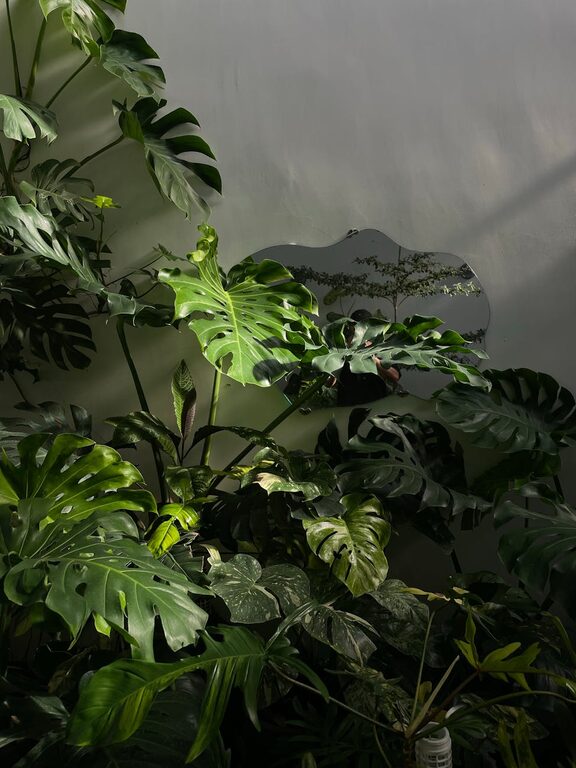
Starting a small herb garden indoors is a rewarding and practical way to enjoy fresh herbs all year long. Whether you have a sunny windowsill or a little extra countertop space, growing herbs inside is easier than you might think. This guide will walk you through everything you need to know to get started, from choosing the right herbs to caring for them daily.
Why Grow Herbs Indoors?
Growing herbs indoors offers several benefits:
– Fresh flavors anytime for cooking
– Saves money on buying herbs frequently
– Adds greenery and improves air quality
– Suitable for small spaces or apartments
– Fun and educational for all ages
Even if you don’t have access to an outdoor garden or live in a place with harsh winters, an indoor herb garden allows you to connect with nature and enjoy the perks of home-grown ingredients.
Choosing Herbs for Your Indoor Garden
Start by selecting herbs that thrive indoors and match your cooking style. Some top beginner-friendly herbs include:
– Basil: A versatile favorite, great for Italian dishes and salads.
– Parsley: Hardy and useful in many recipes.
– Mint: Easy-growing but a bit invasive, so keep it in its own pot.
– Chives: Compact and perfect for garnishing.
– Thyme: Requires little space and has a pleasant aroma.
– Cilantro: Optimal with good light and frequent watering.
When selecting herbs, consider how much light your indoor space receives. Most herbs need at least 4-6 hours of sunlight daily.
Selecting Containers and Soil
Containers
Use pots with drainage holes to prevent waterlogging, which can harm roots. You can choose:
– Small terracotta pots
– Ceramic planters
– Recycled containers with drilled holes
Make sure containers are the right size; generally, 4-6 inches in diameter works well for most herbs.
Soil
Buy a high-quality potting mix designed for indoor plants. Avoid garden soil as it may not drain well and can introduce pests.
Setting Up Your Indoor Herb Garden
Step 1: Choose the Location
Pick a sunny spot near a window. South-facing windows are often ideal because they receive the most consistent sunlight. If natural light is limited, consider using a grow light to supplement.
Step 2: Planting Seeds or Seedlings
You can start herbs from seeds or buy small starter plants at the nursery. When planting seeds, follow the packet’s instructions for depth and spacing. If planting seedlings, gently loosen roots and plant them at the same depth they were growing before.
Step 3: Watering
Water herbs thoroughly after planting. Keep the soil consistently moist but not soaked. Most herbs prefer the soil to dry slightly between watering. Check soil moisture by sticking your finger about an inch deep — if it feels dry, it’s time to water.
Step 4: Feeding
Use a balanced liquid fertilizer every 4-6 weeks to provide nutrients. Over-fertilizing can reduce flavor intensity, so follow package instructions carefully.
Caring for Your Indoor Herbs
Light
Herbs need plenty of light to grow healthy and flavorful. If indoors, aim for 6-8 hours of direct or indirect sunlight daily. Rotate pots to ensure even growth.
Water
Each herb has slightly different water needs, but most prefer moderate and regular watering. Avoid letting pots sit in water.
Pruning and Harvesting
Regular trimming encourages bushier growth and prevents herbs from flowering too early, which can reduce leaf flavor. Pinch or cut leaves as you use them, ideally harvesting in the morning when oils are strongest.
Pest Control
Indoor herbs can occasionally attract pests like aphids or spider mites. Use natural remedies such as rinsing leaves with water or applying mild insecticidal soap if needed.
Troubleshooting Common Issues
– Yellow leaves: Could be overwatering or poor drainage
– Leggy growth: Indicates insufficient light; move herbs closer to the window or add grow lights
– Wilting: Often caused by underwatering or root rot from too much water
– Lack of flavor: Sometimes related to inadequate light or excessive fertilizer use
Tips for Success
– Start small: Grow 3-5 herbs to learn what works best in your space.
– Be patient: Seeds can take 1-3 weeks to germinate.
– Experiment with containers: Vertical planters or hanging pots can save space.
– Use clean scissors or shears to harvest to avoid damaging plants.
– Keep a journal to track growth and care routines.
Conclusion
Starting an indoor herb garden is a simple, enjoyable way to bring fresh tastes and greenery into your home. With the right selection of herbs, pots, and care, you can create a thriving garden that will enhance your cooking and brighten your living space year-round. Happy gardening!