
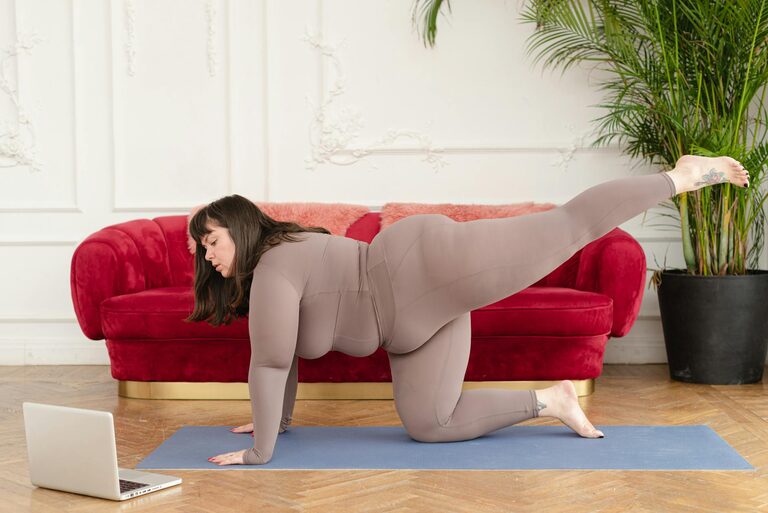
Stretching is a simple yet powerful way to improve your physical health, relieve muscle tension, and boost overall well-being. For beginners, the idea of starting a stretching routine at home can feel intimidating, but it doesn’t have to be complicated or time-consuming. In this guide, we’ll walk you through the basics of stretching, why it matters, and some easy stretches you can do at home to get started.
Why Stretching Matters
Before diving into the how, let’s talk about why stretching is important. Stretching helps:
– Improve flexibility and range of motion in your joints
– Increase blood flow to muscles, reducing the risk of injury
– Relieve muscle stiffness and tension from daily activities
– Enhance posture and reduce body aches
– Promote relaxation and reduce stress
Regular stretching can be beneficial whether you’re an active person or someone who spends much of the day sitting. It prepares your body to move better and recover more quickly.
When and How Often Should You Stretch?
You don’t need to dedicate hours to stretching every day. Ideally, aim for a brief session at least 3-4 times a week. Stretching can be done:
– In the morning to start your day awake and limber
– After exercise to cool down and relax muscles
– In the evening to unwind and release tension
Consistency is more important than duration. Even 10–15 minutes per session can produce noticeable benefits over time.
Stretching Safely: Key Tips for Beginners
Before trying new stretches, keep these safety tips in mind:
– Warm up briefly with light activity (like walking) before deep stretching
– Stretch slowly and gently—avoid bouncing or forcing a stretch
– Hold each stretch for 15-30 seconds, breathing deeply throughout
– Stretch both sides of your body evenly
– Stop if you feel sharp pain or discomfort
– Wear comfortable clothing that allows movement
If you have any existing injuries or health concerns, consider consulting a fitness professional or physical therapist for personalized guidance.
Basic Stretches You Can Do at Home
Here are some beginner-friendly stretches focusing on key muscle groups. You don’t need any special equipment—just a yoga mat or soft surface is helpful.
1. Neck Stretch
Relieves tension from stress or long hours at a desk.
– Sit or stand tall with a straight back
– Slowly tilt your head toward your right shoulder until you feel a gentle stretch on the left side of your neck
– Hold for 20 seconds, then switch sides
2. Shoulder Roll and Stretch
Loosens up tight shoulders and upper back.
– Roll your shoulders backward in a circular motion 5 times, then forward 5 times
– Bring your right arm across your chest, hold it with your left hand, and gently pull it closer to your body
– Hold for 20-30 seconds, then switch arms
3. Chest Opener
Helps improve posture and stretch the front of the body.
– Stand tall and clasp your hands behind your back
– Straighten your arms and gently lift your hands upward while opening your chest
– Hold for 20-30 seconds
4. Seated Forward Bend
Targets the hamstrings and lower back.
– Sit on the floor with legs extended straight in front of you
– Keep your back straight and slowly reach forward toward your toes
– Stop once you feel a stretch in the backs of your legs or lower back
– Hold for 20-30 seconds
5. Cat-Cow Stretch
Great for spinal mobility and relieving back tension.
– Begin on all fours with wrists under shoulders and knees under hips
– Inhale as you arch your back, lifting your head and tailbone (Cow Pose)
– Exhale as you round your back, tucking your chin and pelvis (Cat Pose)
– Repeat this flow for 5-8 rounds
6. Hip Flexor Stretch
Useful if you sit a lot, as hip flexors tend to get tight.
– Kneel on your right knee with your left foot flat in front, creating a 90-degree angle
– Shift your weight forward slightly while keeping your back straight until you feel a stretch in your right hip
– Hold for 20-30 seconds, then switch sides
7. Child’s Pose
A relaxing full-body stretch and excellent way to end a session.
– Start on all fours, then sit back on your heels, extending your arms forward
– Rest your forehead on the floor or a mat
– Hold this position and breathe deeply for 30 seconds to 1 minute
Creating Your Own Stretching Routine
To establish an effective home routine:
– Choose 4-6 stretches that target different areas of your body
– Spend about 15 seconds on each stretch for beginners, gradually increasing up to 30 seconds
– Repeat stretches 2-3 times if you have time and feel comfortable
– Perform your routine 3-5 days per week for best results
You might want to write down your favorite stretches or create a checklist to stay on track.
Final Thoughts
Stretching at home is accessible, easy to integrate into your day, and offers multiple health benefits. By starting slowly and practicing regularly, you’ll notice improved flexibility, reduced discomfort, and a greater ease of movement. Remember to listen to your body, be patient with your progress, and enjoy the calming, restorative effects of stretching.
Ready to get started? Roll out a mat, put on some comfortable clothes, and try these simple stretches today! Your body will thank you.