
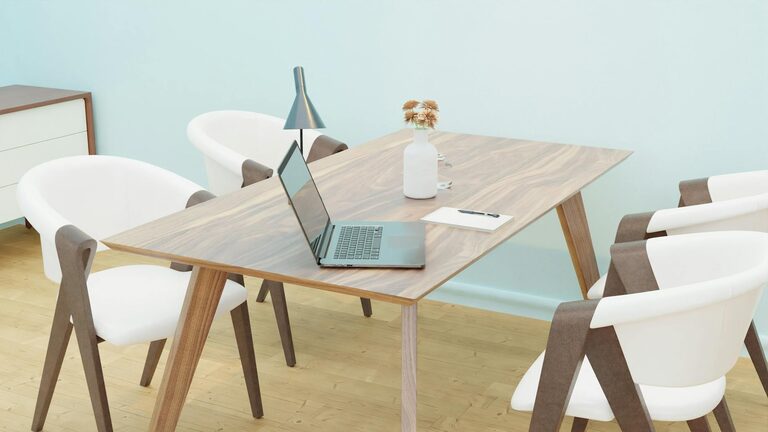
Creating a relaxing home workspace is essential for maintaining focus, reducing stress, and improving overall productivity. As many people continue to work remotely or spend significant time at home, designing an environment that feels calm and inviting can make a huge difference in daily work life. In this post, we’ll explore practical ways to set up a home office that supports relaxation and productivity.
Why a Relaxing Workspace Matters
A cluttered or chaotic workspace can increase stress and decrease motivation. On the other hand, a well-organized, soothing environment encourages concentration and creativity. When your workspace feels comfortable and peaceful, you’re more likely to enjoy your work and complete tasks efficiently.
Step 1: Choose the Right Location
Selecting the best spot in your home is the first step.
– Natural Light: Find a space with plenty of natural light. Sunlight boosts mood and energy, helping you stay alert throughout the day.
– Quiet Area: Pick a quiet corner away from household distractions. This helps you focus on work without interruptions.
– Ventilation: Proper air circulation keeps the space feeling fresh and comfortable.
Step 2: Invest in Comfortable Furniture
Choosing ergonomic furniture supports good posture and comfort.
– Chair: Opt for an adjustable chair with good lumbar support.
– Desk: Select a desk at the right height to prevent strain.
– Additional Seating: Consider a cozy chair or small sofa for breaks or reading.
Step 3: Declutter and Organize
A clean workspace promotes mental clarity.
– Minimalism: Keep only essential items on your desk.
– Storage Solutions: Use shelves, drawers, or organizers to store supplies.
– Cable Management: Tidy up cables to avoid a messy look.
Step 4: Add Calming Colors and Decor
Colors influence mood and productivity.
– Soft Neutrals: Shades like beige, soft grey, or white create a peaceful backdrop.
– Accent Colors: Gentle blues or greens promote calm and focus.
– Plants: Indoor plants improve air quality and add a touch of nature.
– Personal Touches: Photos, artwork, or meaningful objects make the space inviting.
Step 5: Control Lighting
Good lighting reduces eye strain and sets the mood.
– Task Lighting: Use adjustable desk lamps for focused work.
– Ambient Lighting: Add soft overhead or floor lamps for a warm atmosphere.
– Avoid Glare: Position screens to minimize glare from windows or lights.
Step 6: Incorporate Relaxation Elements
Adding elements that promote relaxation can improve well-being.
– Aromatherapy: Use essential oil diffusers or candles with calming scents like lavender or eucalyptus.
– Sound: Play soft instrumental music or nature sounds to create a soothing background.
– Break Zone: Designate a small area for stretching or brief rests to reduce fatigue.
Step 7: Establish a Routine
A relaxing space is most effective when paired with healthy work habits.
– Set Boundaries: Define clear working hours to maintain work-life balance.
– Organize Tasks: Use planners or digital tools to keep track of priorities.
– Take Breaks: Short breaks to stand, stretch, or take a walk help refresh your mind.
Step 8: Keep Your Workspace Fresh
Regular maintenance keeps the space inviting.
– Daily Cleanup: Spend a few minutes clearing your desk at the end of each day.
– Weekly Tasks: Dust surfaces, water plants, and reassess organization.
– Seasonal Refresh: Update decor or rearrange furniture to keep the space inspiring.
—
Creating a relaxing home workspace doesn’t require a big budget or major renovations. By focusing on comfort, organization, and personal touches, you can transform any area into a peaceful and productive environment. Remember, the goal is to design a space where you feel calm, focused, and motivated to do your best work every day. Give these tips a try, and enjoy the benefits of a relaxing home office!